Invite Nature In: How Beneficial Insects Can Transform Your Garden
A healthy garden isn’t just about growing plants - it’s about creating a balanced ecosystem. While some insects feed on your crops, many others help protect them by pollinating flowers and controlling common garden pests.
Instead of relying on pesticides, you can encourage nature to do the work for you.
Here’s how to attract beneficial insects to your garden:
1️⃣ Plant Flowers Alongside Your Vegetables
• Many beneficial insects feed on nectar and pollen as adults.
• Planting flowers throughout your vegetable garden gives them a reason to stay.
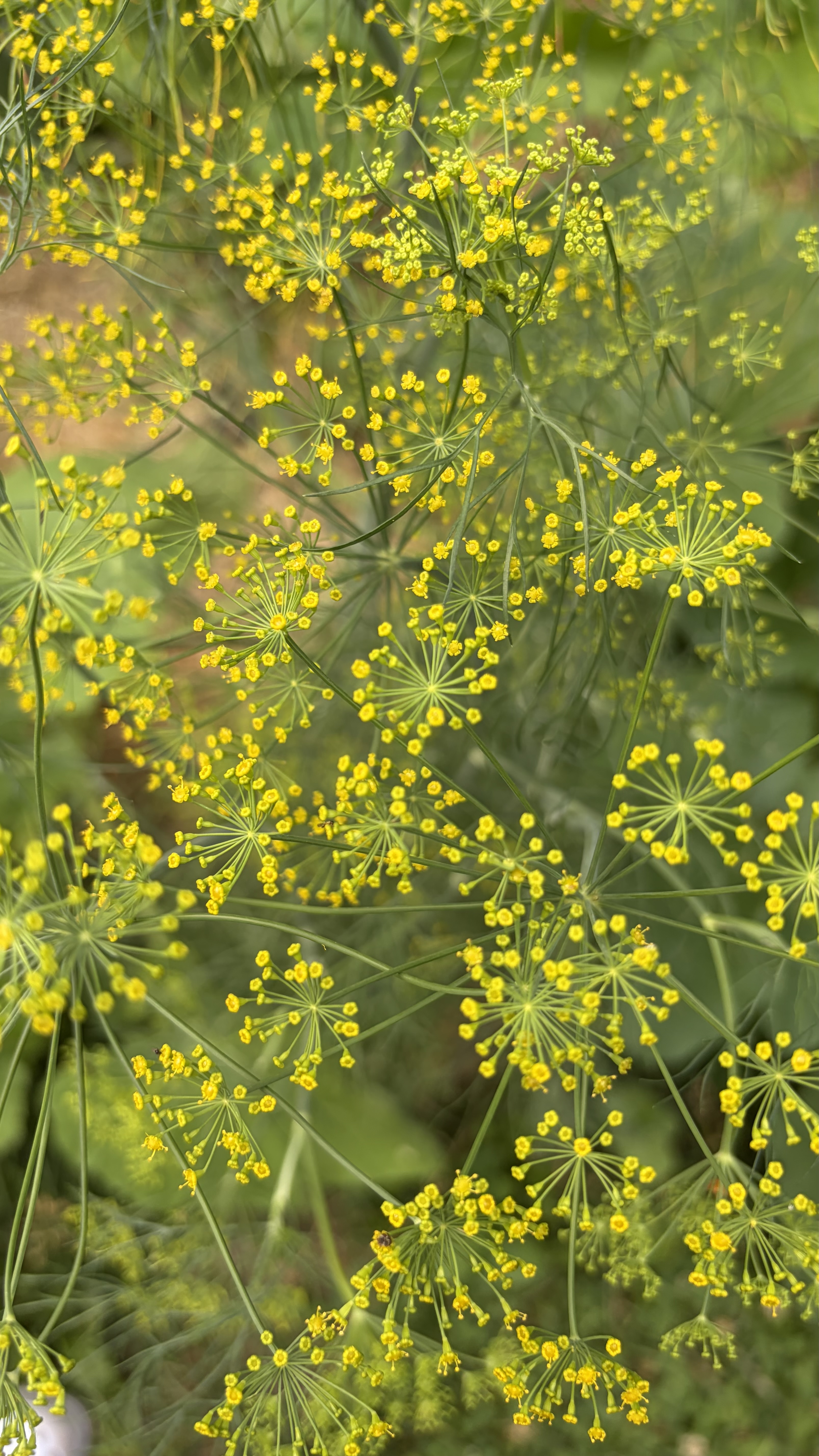
• Great choices include dill, cilantro, fennel, alyssum, calendula, cosmos, zinnias, and sunflowers.
2️⃣ Grow a Variety of Plants
• A diverse garden attracts a wider range of helpful insects.
• Mixing flowers, herbs, and vegetables creates habitats for pollinators and natural predators alike.
• Diversity also helps reduce large pest outbreaks.
3️⃣ Welcome Pollinators
• Bees, butterflies, hoverflies, and other pollinators increase fruit set in many vegetables.
• Tomatoes are mostly self-pollinating, but buzz-pollinating bees can improve pollination and may lead to better fruit production.
• Cucumbers, squash, melons, and many other crops depend heavily on insect pollinators.
( If you are not planning to save seeds or are growing only a single variety, cross-pollination is usually not a concern)
4️⃣ Let the Good Predators Stay
• Ladybugs feed on aphids.
• Lacewing larvae consume aphids, whiteflies, and other soft-bodied pests.
• Parasitic wasps help control caterpillars and other garden pests.
• Even many spiders are valuable allies, catching flying insects before they become a problem.
5️⃣ Provide Water and Shelter
• A shallow dish with small stones gives insects a safe place to drink.
• Leave a few undisturbed areas with mulch or native plants where beneficial insects can rest and overwinter.
• Avoid keeping every corner of the garden perfectly tidy.
6️⃣ Pesticides
• Broad-spectrum insecticides don’t distinguish between pests and beneficial insects.
• Even organic products should only be used when truly necessary.
• The more beneficial insects your garden supports, the less intervention you’ll usually need.
The Takeaway
The healthiest gardens work with nature - not against it. By growing flowers, encouraging biodiversity, and protecting beneficial insects, you’ll create a stronger, more resilient garden where pollinators thrive, pests stay under control naturally, and your vegetables can reach their full potential.