
Tomatoes never cease to amaze me with their resilience.
A few mornings ago, I walked into my garden and was shocked to discover that several tomato seedlings I had transplanted just a couple of days earlier had been attacked overnight by cutworms.
Some plants had been completely severed at the soil line. Others were hanging on by what seemed like the tiniest strip of stem. This little tomato in the photo was one of the cases — barely attached and looking beyond saving.
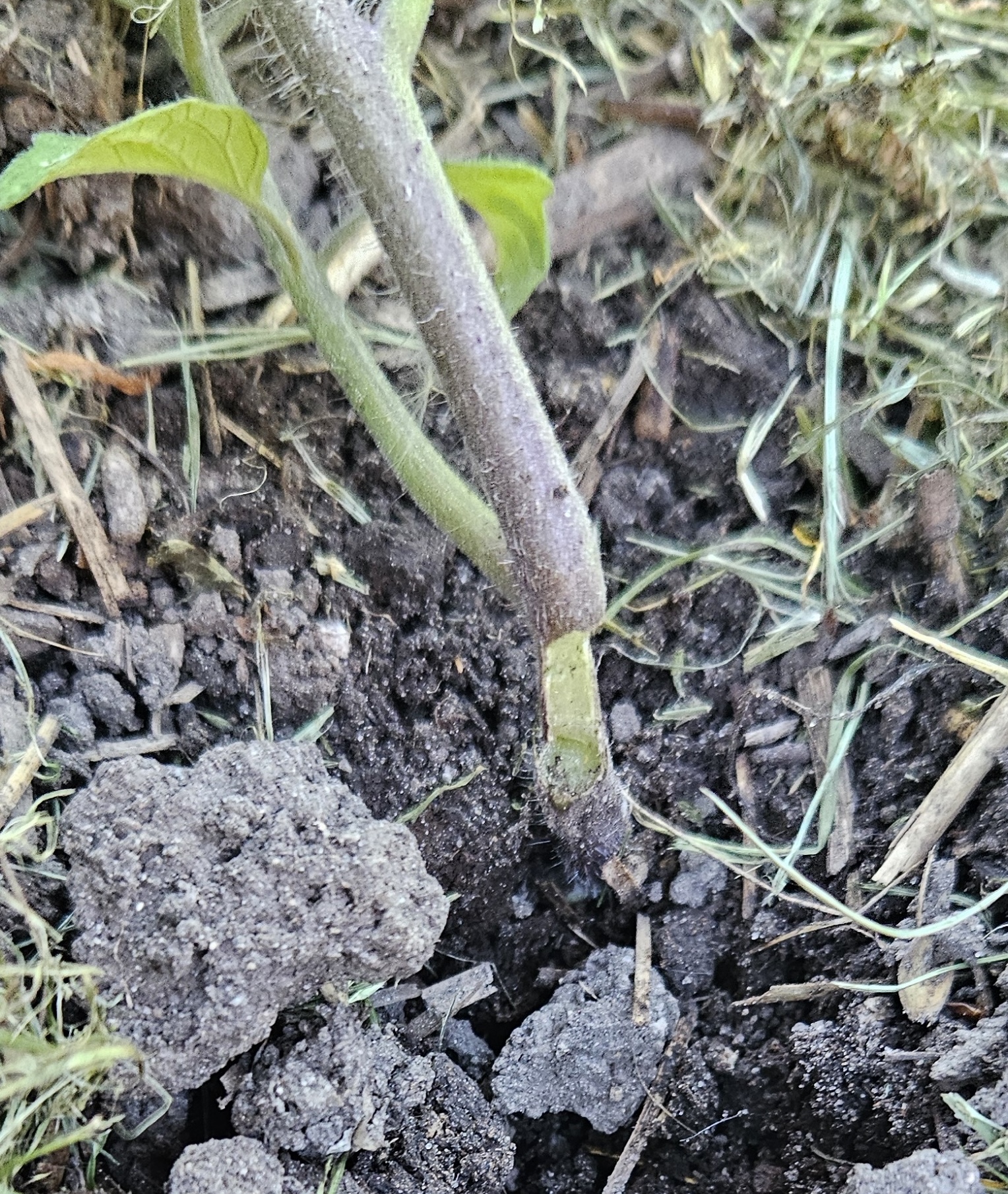
The damage was severe enough that the only obvious alternative seemed to be cutting off the top and rooting it as a new plant. Tomatoes are famous for their ability to develop roots along their stems, but that process would have significantly delayed growth and likely reduced the plant's overall productivity for the season.
Instead, I decided to leave the seedling in place and gently mound soil around the damaged section of the stem. Then I waited.
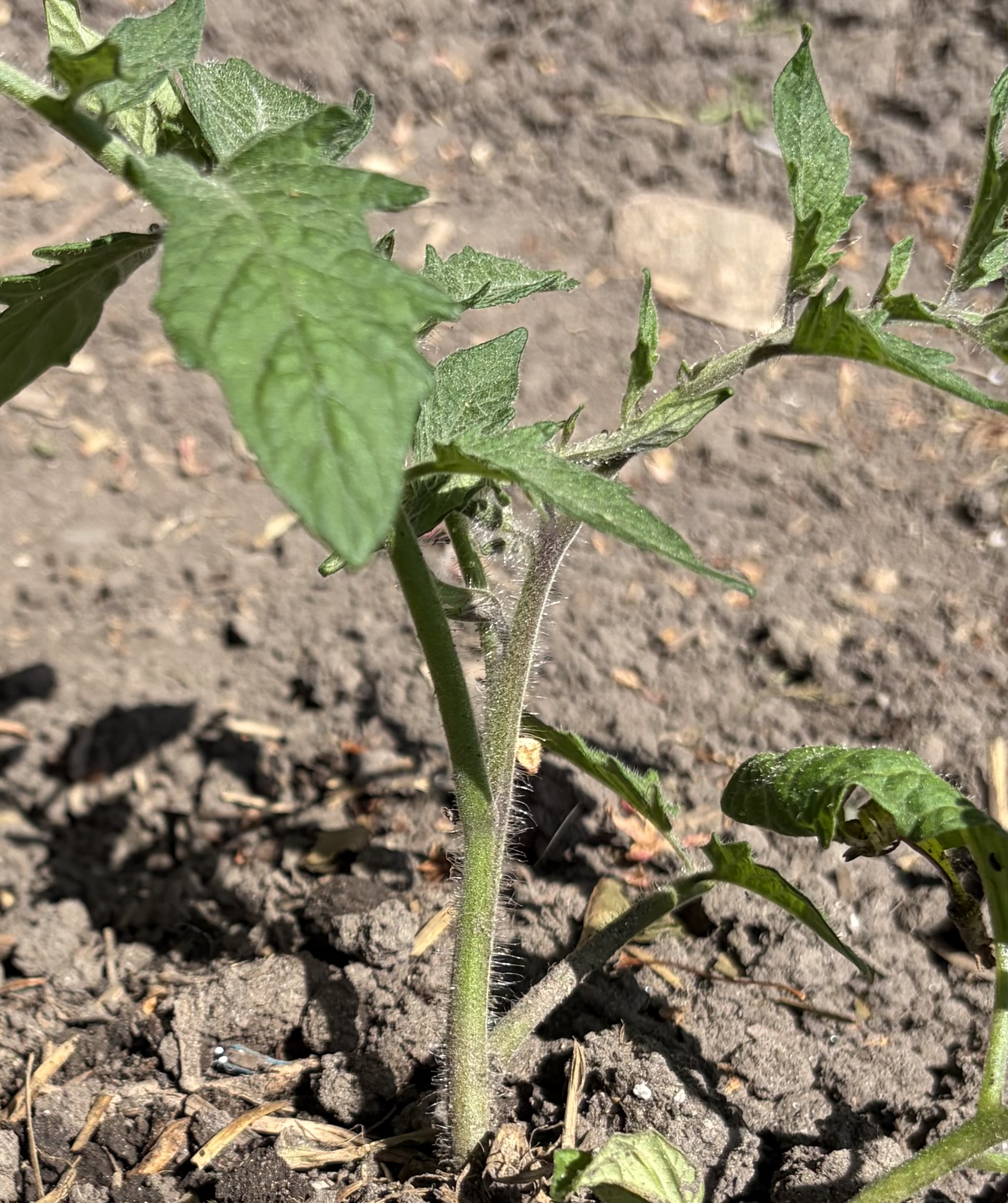
To my surprise, the plant recovered beautifully. Within days it was standing upright, growing vigorously, and showing no signs of stress.
What appeared to be a lost cause turned into a reminder of just how resilient tomato plants can be.
What Are Cutworms?
Despite their name, cutworms are not actually worms. They are the caterpillar stage of several species of night-flying moths.
These pests typically hide in the soil during the day and emerge at night to feed. Young transplants are especially vulnerable because cutworms often chew through stems at or just below soil level, causing plants to collapse seemingly overnight.
Tomatoes, peppers, eggplants, brassicas, and many other vegetable seedlings can all be affected.
How to Protect Seedlings from Cutworms
While no method is foolproof, a few simple strategies can dramatically reduce damage:
Stem Collars
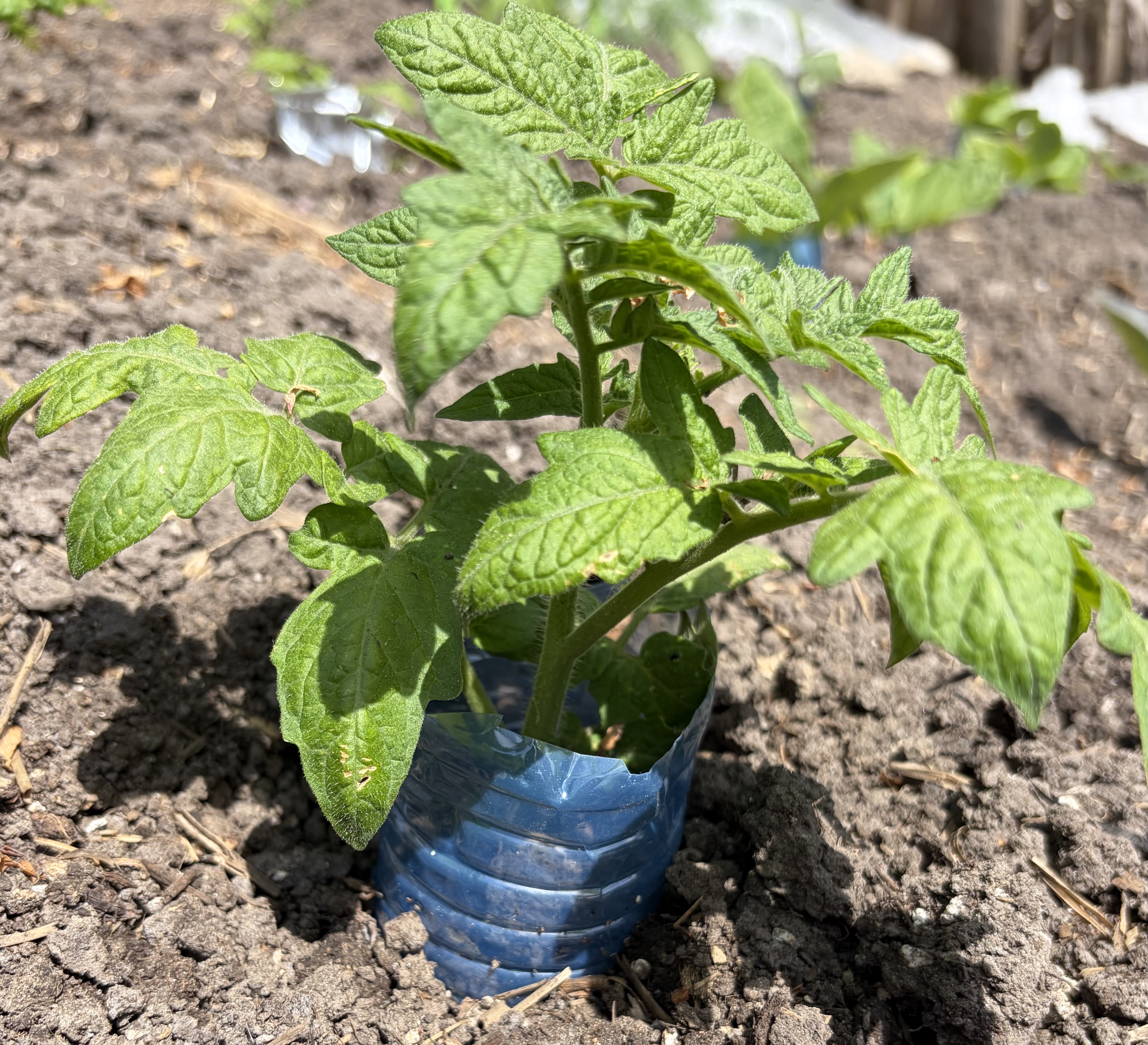
One of the most effective solutions is to place a protective collar around each transplant stem. Cardboard, plastic or paper cups with the bottoms removed, aluminum foil, or specialized plant collars can all work. The collar should extend slightly above and below the soil surface.
Inspect at Night
If you notice freshly cut seedlings, grab a flashlight after dark. Cutworms are often found curled up in the soil near damaged plants.
Keep the Area Clean
Removing weeds and plant debris around the garden reduces hiding places for both moths and developing larvae.
Hand-Pick When Possible
In small gardens, hand removal can be surprisingly effective once the culprit is located.
Protect New Transplants
The first few weeks after transplanting are when plants are most vulnerable. Extra vigilance during this period can save a lot of frustration later.
A Lesson in Garden Resilience
While prevention is always preferable, plants sometimes surprise us with their ability to recover from damage that appears catastrophic.
This tomato seedling was a perfect example. What looked like a lost plant became a healthy, thriving transplant simply because it was given a chance.
Sometimes the most rewarding moments in the garden come not from the plants that grow perfectly, but from the ones that refuse to give up.