
Tomato Color Isn’t Just Pretty - It’s Flavor (and Health)
When I was a kid, my grandpa grew tomatoes.
Mostly red and round, with a few pink ones and some big oxhearts sprawling across the garden.
Every summer, without thinking twice, I reached for the pink tomatoes first. They felt softer, sweeter, somehow gentler than the others. Back then, I assumed it was just a childhood preference.
Turns out… it wasn’t.
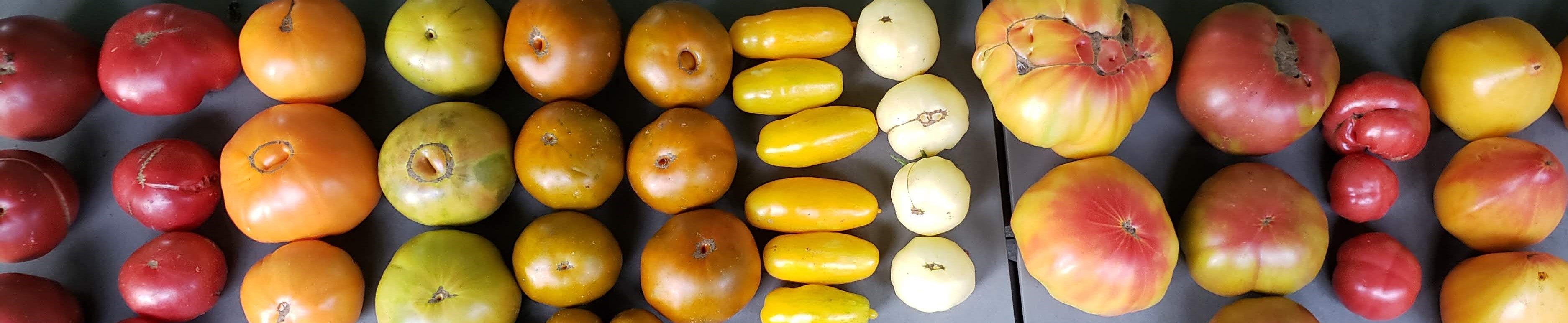
The Secret Is in the Pigments
As I grew older (and a little tomato-obsessed), I learned something fascinating:
Tomato color comes from different pigments — and those pigments shape both flavor and nutrition.
Here’s how it works:
Red tomatoes
Their color comes from lycopene, a powerful antioxidant. Flavor-wise, this gives that bold, classic tomato taste we all recognize - rich, savory, and deeply “tomatoey.”
Pink tomatoes
They have less lycopene and clear skin, which softens the flavor. That’s why pink tomatoes are often sweeter, milder, and less acidic. No wonder I loved them.
Yellow & orange tomatoes
These are rich in beta-carotene. They tend to be low-acid, fruity, sometimes even buttery - perfect for people who find red tomatoes too sharp.
Dark, purple & black tomatoes
Here’s where things get really interesting. These tomatoes contain anthocyanins (the same pigments found in blueberries) and often retain some chlorophyll. The result? Deep, complex flavors - earthy, wine-like, sometimes smoky.
Green-when-ripe tomatoes
They keep their chlorophyll even when ripe, giving them a bright, tangy, almost citrusy taste.
Striped tomatoes
Mixed pigments mean mixed flavors. One bite sweet, the next tangy - never boring.
Blue Tomatoes: Beauty With Benefits
Blue and purple tomatoes aren’t just stunning - they’re nutritional powerhouses.
Their deep color comes from anthocyanins, known for their health benefits:
- Strong antioxidant properties
- Anti-inflammatory effects
- Support for heart health
- Potential benefits for brain function and cellular protection
In other words, blue tomatoes don’t just look dramatic on the plate - they bring real functional benefits along with their rich, complex taste.
So Yes - My Childhood Preference Was Real
That instinctive reach for pink tomatoes wasn’t random.
My taste buds knew what they were doing long before I did.
Because tomatoes aren’t just red.
They’re a whole spectrum of flavors, textures, and nutrients.
Color isn’t decoration.
Color is information.
Color is flavor.
And once you start tasting tomatoes with that in mind - there’s no going back.